Architectural Design
January 15, 2024
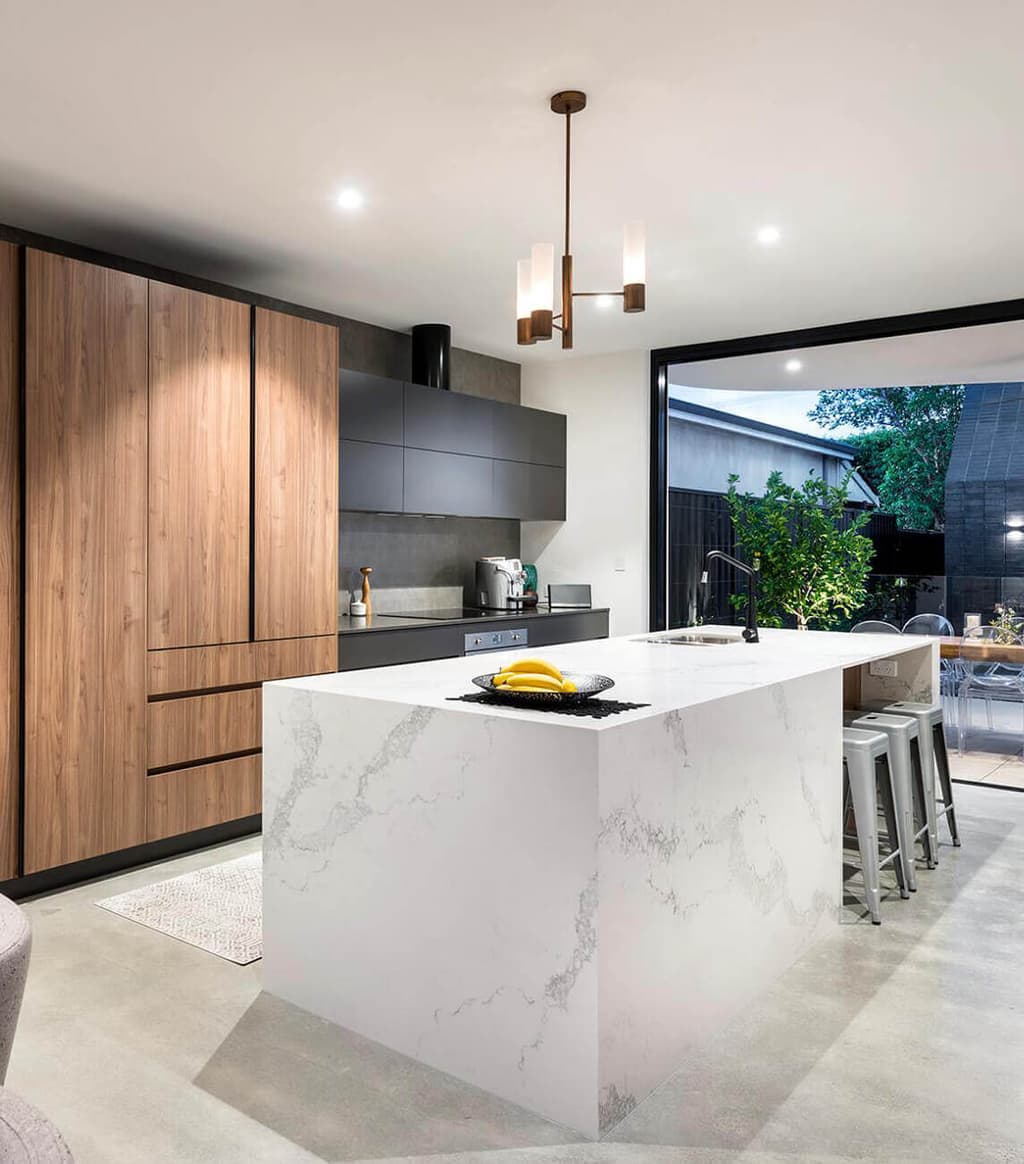
Natural light does not merely illuminate a building — it also shapes the character of a space, the mood of its occupants and energy consumption. A well-designed building can meet its daytime lighting needs from nature and minimize dependence on artificial lighting.
In Turkey's geographic location, south-facing façades receive the most sunlight throughout the day. Orienting living areas and workspaces to the south or south-east while placing service areas (bathrooms, storage, garage) on the north side both reduces heating loads and improves quality of life. Eave depths and shading elements must be calculated at the design stage to prevent excessive solar penetration during summer months.
Window size, position and detailing are critical factors governing the amount of natural light. Horizontal ribbon windows illuminate a wide area, while zenithal light sources (skylights, roof lights) carry light deep into the interior. In glazing selection, balancing high light transmittance, a low solar heat gain coefficient (g-value) and adequate thermal insulation (U-value) is essential.
Light-coloured, matte surfaces diffuse light through the space, while reflective surfaces carry it further. Using white and cream tones in interiors softens and distributes incoming light rather than simply bouncing it back. Polished stone or light-toned timber parquet flooring creates a similar effect on floors.
Even the best-designed natural lighting schemes need to be supplemented by artificial lighting at night and on overcast days. The seamless interaction of these two systems matters for both visual comfort and energy efficiency. Sensor-controlled, dimmable LED systems can automatically adapt to changing natural light levels throughout the day.

Driven by our love for people and the environment and respect for our craft, we have been providing architectural and contracting services since 2010.
Architectural Design