Architectural Design
January 15, 2024
Turkey sits on one of the world's most seismically active fault zones. This reality makes earthquake safety an unambiguous first priority in building design — not merely as a legal obligation, but as a direct responsibility for human life.
The Turkish Building Earthquake Regulation (TBDY 2018), which came into force in 2018, redefined the country's seismic hazard map and structural design requirements based on updated scientific data. The regulation comprehensively addresses soil classification, structural system selection, seismic load calculation and performance targets. At Home Yapı Mühendislik, all our structural projects are prepared in full compliance with this regulation.
The foundation of structural safety begins — quite literally — in the ground. A geotechnical investigation reveals the soil's bearing capacity, liquefaction risk and seismic behaviour. Based on this data, the appropriate foundation system — piled, raft or strip — is determined to safely transfer loads and withstand seismic forces. No structural system, however advanced, can compensate for a missing geotechnical study.
Reinforced concrete frames, shear walls and combinations thereof directly determine a building's seismic behaviour. Shear wall systems provide far greater rigidity and safety against lateral loads. Column and beam sizing, reinforcement detailing, and concrete and steel grades are the design decisions that define both quality and safety.
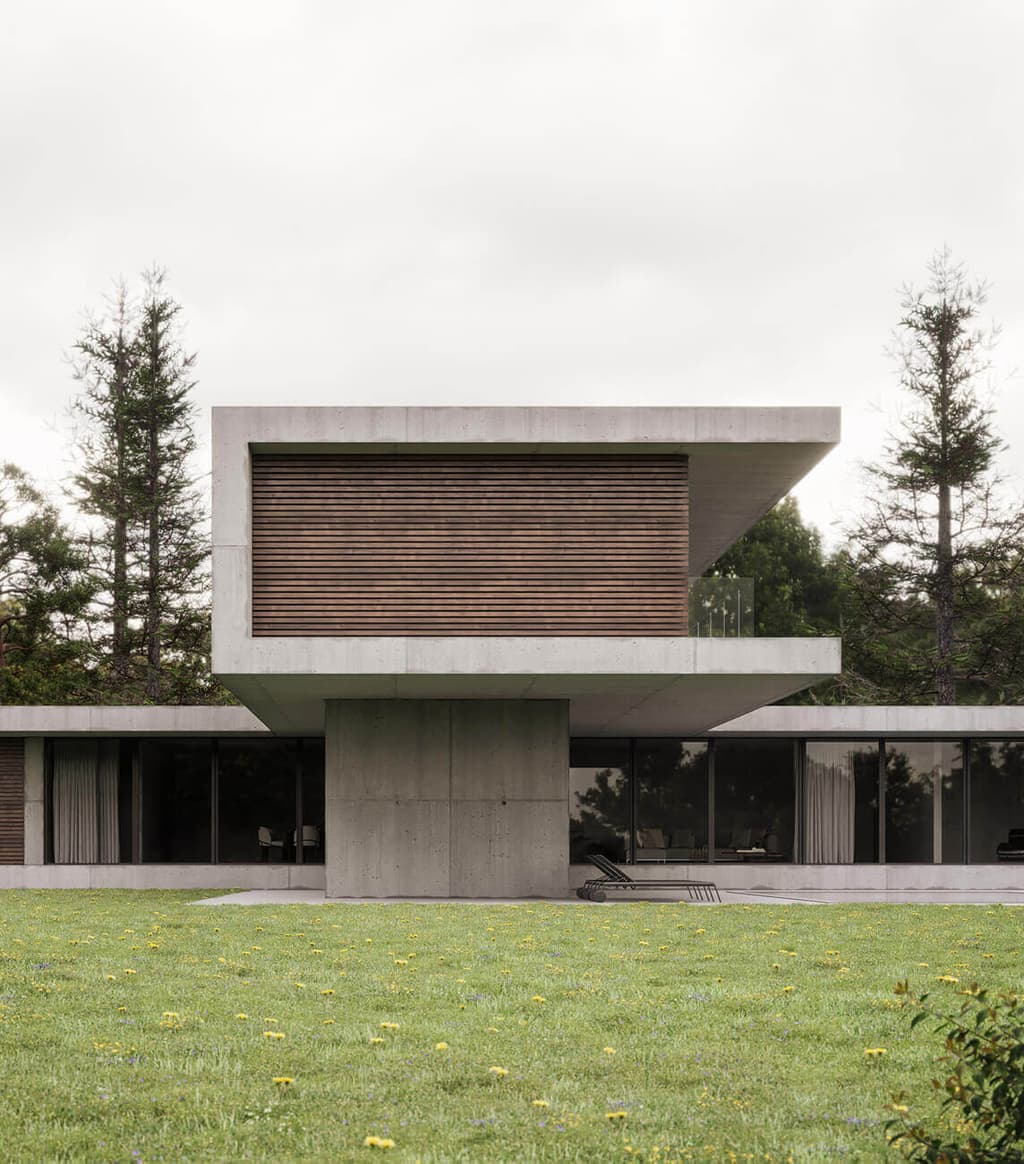
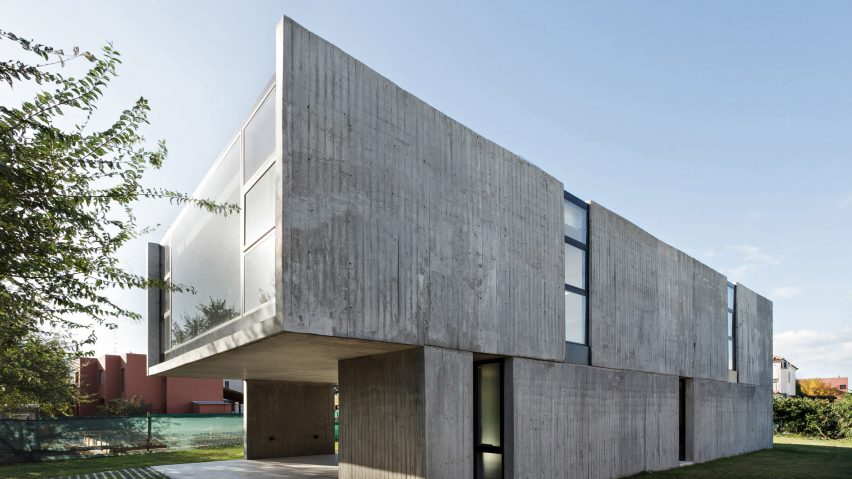
Plan and elevation irregularities — soft stories, heavy cantilevers, torsional eccentricity — are direct triggers for damage and collapse in earthquakes. This is why keeping building geometry symmetrical and balanced from the architectural design stage, and engaging the structural engineer early in the process, is critically important.

Driven by our love for people and the environment and respect for our craft, we have been providing architectural and contracting services since 2010.
Structural Engineering