Architectural Design
January 15, 2024
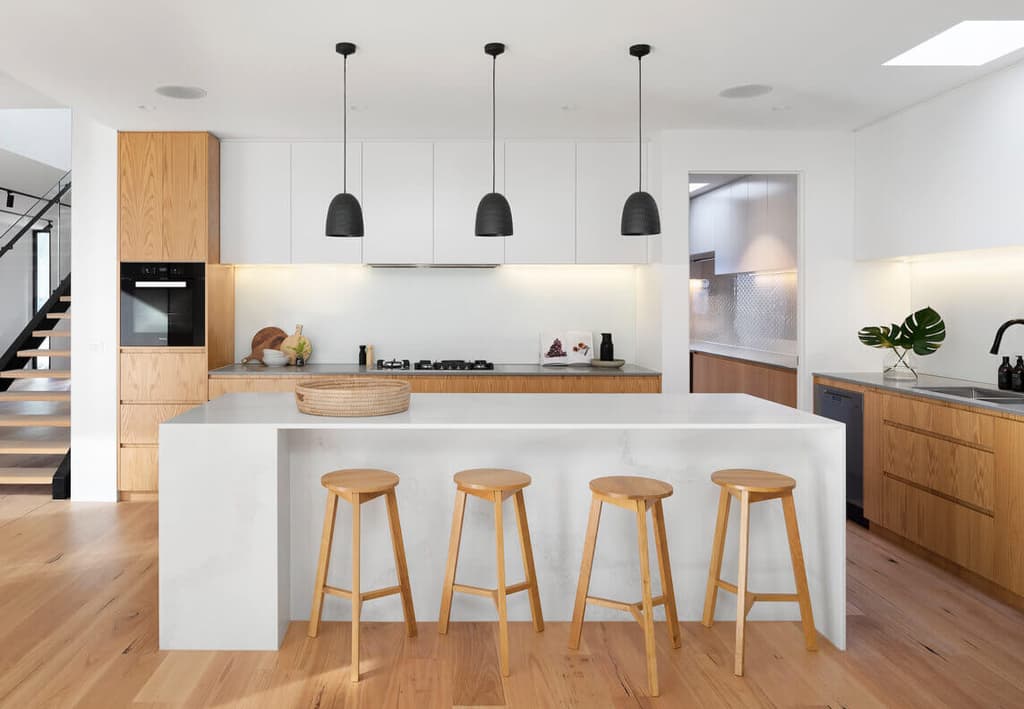
The space constraints of urban living are pushing architects and homeowners alike to find smarter solutions. A small area can become both spacious and functional with the right design decisions. The secret lies in using every centimetre intentionally.
Open-plan layouts stripped of unnecessary partitions are among the most effective ways to increase visual spaciousness in small interiors. Designing the kitchen, dining area and living room as a single continuous flow strengthens social interaction while making the space feel larger than it is. Allowing light to move freely and keeping sightlines unobstructed are critical to this approach.
In small spaces, furniture is both aesthetic and functional. Folding dining tables, sofa beds (murphy beds) and storage ottomans extract maximum value from limited floor area. Furniture raised on legs also creates a visual connection with the floor, making the room feel more open and airy.
Light and neutral colour palettes reflect light and expand the perceived space. Using a similar tonal range on walls, ceilings and floors creates a natural sense of visual expansion. Reflective surfaces, mirrors and glass partitions reinforce this effect, while a single accent colour prevents the space from feeling monotonous.
Vertical space, often left dormant in small interiors, can be put to smart use. Floor-to-ceiling cupboards increase storage capacity while visually elongating the room. Wall-mounted bookshelves, hanging kitchen cabinets and high windows all support this strategy. At Home Yapı Interior Architecture, we aim to extract the full potential of every space in every project we take on.

Driven by our love for people and the environment and respect for our craft, we have been providing architectural and contracting services since 2010.
Interior Architecture